Used Scaffolding on Hire and Sale

Rent or Buy? How to Choose Between Used Scaffolding on Hire and Sale

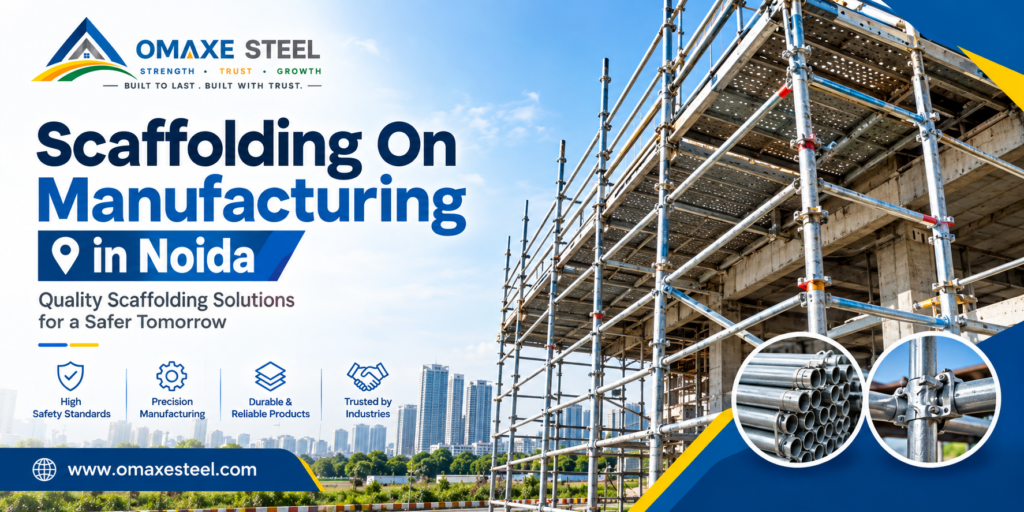
Every construction project reaches a point where the same question comes up: should you go for Used Scaffolding on Hire, or is it smarter to invest in Used Scaffolding on Sale? For contractors, builders, project managers, and procurement teams, this decision affects budgets, timelines, storage space, and even site safety. There’s no single right answer. The best choice depends on your project duration, frequency of use, budget structure, and long-term business needs. This guide breaks down the difference between hiring and buying, when each option works best, and how to choose a scaffolding supplier you can rely on. Hiring vs Buying Used Scaffolding: What’s the Real Difference? Before comparing costs, it helps to understand what each option actually involves. Scaffolding on Hire means you pay for the use of scaffolding material for a fixed period. The supplier delivers, and in many cases collects, the material once your work is done. You don’t own the equipment — you’re paying for access to it. Used Scaffolding on Sale means you purchase the material outright. It becomes a company asset that you can use across multiple projects, store, maintain, and eventually resell if needed. Factor Used Scaffolding on Hire Used Scaffolding on Sale Ownership Temporary, supplier-owned Permanent, buyer-owned Upfront Cost Low Higher Ideal Project Type Short-term or one-off Recurring or long-term Storage Responsibility Not required (or minimal) Required after project ends Transportation Often included by supplier Buyer’s responsibility Maintenance Handled by supplier Handled by buyer Flexibility High — return anytime Fixed asset, less flexible Long-Term Cost Can be higher over time Cost-effective over repeated use This table gives a quick snapshot, but the right decision depends on the specifics of your project. Let’s look at those factors in detail. When Used Scaffolding on Hire Makes More Sense Hiring works well for businesses that don’t want scaffolding sitting idle between projects. Consider Scaffolding on Hire if: If your company takes on occasional projects or is testing new markets, Construction Scaffolding on Rent is generally the more practical route. When Used Scaffolding on Sale Can Be a Better Investment Buying used scaffolding is worth considering when your business has consistent, ongoing scaffolding needs. This works better if: MS Scaffolding (mild steel scaffolding) is a common choice for purchase, since it’s durable and holds up well across repeated use when maintained properly. Key Factors to Weigh Before Deciding Project Duration Short jobs favor hiring. Projects extending beyond several months, or recurring contracts, tend to favor buying — the math shifts in favor of ownership the longer the material stays in use. Budget Structure If your project budget is tightly allocated with limited upfront capital, hiring keeps costs predictable and spread out. If you have capital available and want to reduce future expenses, buying can be the better long-term move. Storage Requirements Ask honestly: do you have secure, weatherproof space to store scaffolding between projects? If not, ownership adds hidden costs — either building storage or risking material damage. Transportation Hiring often includes delivery and pickup as part of the service. Buying means you need your own transport arrangement or a reliable logistics partner for every move between sites. Maintenance and Inspection Requirements Regardless of whether you hire or buy, scaffolding must be inspected and maintained regularly. This isn’t optional — it’s a safety requirement. Either way, scaffolding should be checked before every use, not just when it’s purchased or delivered. Quality and Safety Checks Before Choosing Used Scaffolding Since the material is used, quality verification matters more than with new equipment. Before hiring or buying, check for: A reliable Scaffolding Material Supplier will be transparent about the condition of used stock and won’t hesitate to walk you through their quality checks. Short-Term vs Long-Term Cost Comparison Usage Pattern Better Option Why Single project, under 2-3 months Hire Lower upfront cost, no storage burden Occasional projects, unpredictable schedule Hire Flexibility to scale up/down as needed Continuous or year-round use Buy Lower cost per use over time Multiple simultaneous project sites Buy Avoids repeated rental delays and costs Business plans to offer rental services Buy Asset generates ongoing revenue As a general rule: the more frequently and consistently you need scaffolding, the more buying starts to make financial sense. For irregular or short-duration work, hiring remains the more cost-efficient choice. How to Select the Right Scaffolding for Your Project Once you’ve decided between hiring and buying, match the scaffolding type to your actual project needs: Getting this assessment right avoids delays from under-ordering or unnecessary costs from over-ordering. Why Choosing a Reliable Scaffolding Supplier Matters Whether you hire or buy, the supplier you work with directly affects your project’s safety, timeline, and cost efficiency. A dependable Scaffolding Supplier in Delhi NCR should offer: Working with an experienced supplier reduces the guesswork and helps you avoid safety risks that come from poorly maintained or mismatched scaffolding. Frequently Asked Questions 1. Is used scaffolding safe to hire or buy?  Yes, as long as it has been properly inspected and maintained. Always check for structural damage, corrosion, and secure fittings before use, and ask your supplier about their quality checks. 2. How long does it usually make sense to hire scaffolding instead of buying?  For projects lasting up to a few months, hiring is generally more cost-effective. Beyond that, ownership starts to offer better long-term value if usage is frequent. 3. What is the difference between MS scaffolding and other types?  MS (mild steel) scaffolding is known for its strength and durability, making it a common choice for both rental and purchase in construction projects requiring reliable load-bearing support. 4. Does Omaxe Steel provide both hiring and sale options?  Yes, Omaxe Steel Equipments offers both Used Scaffolding on Hire and Used Scaffolding on Sale, allowing contractors and builders to choose based on their specific project needs. 5. What should I check before hiring or buying used scaffolding?  Look at the material’s structural condition, coupler and joint strength, plank quality, and ask for any available maintenance or inspection records from the

Rent or Buy? How to Choose Between Used Scaffolding on Hire and Sale Read More »

Earthing Strip Manufacturing in India

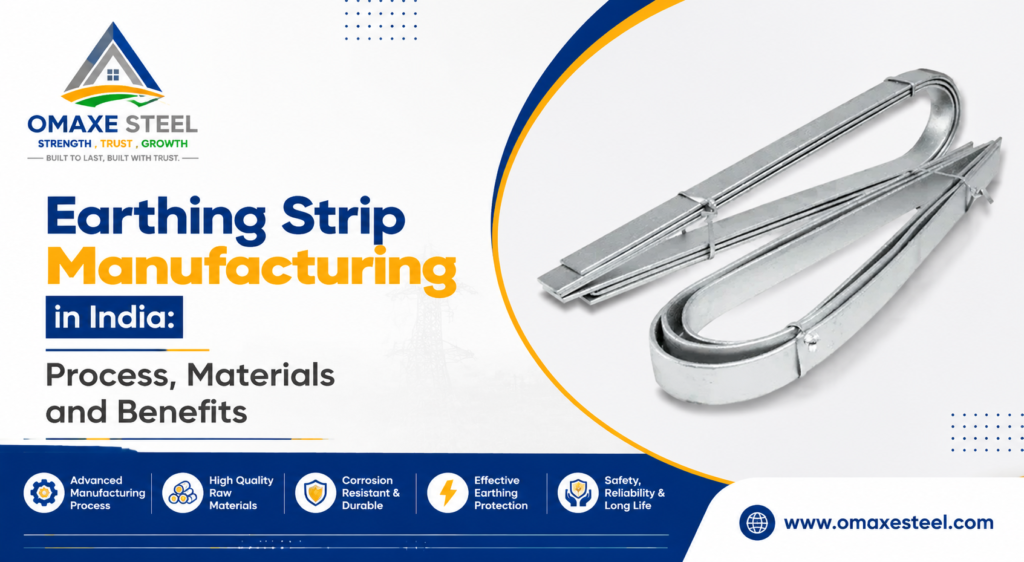
Earthing Strip Manufacturing in India: Process, Materials and Benefits

Proper electrical earthing is one of the most important — and most overlooked — parts of any industrial, commercial, infrastructure or residential electrical installation. It protects equipment, structures and, most importantly, people from the risks associated with electrical faults. At the centre of any grounding system is the earthing strip, a conductive component that provides a path through the grounding network to help safely carry fault current toward earth. Among the different materials available, GI Earthing Strips are one of the most commonly used, largely because galvanized iron combines useful mechanical strength with a protective layer against corrosion. But how does a raw steel strip actually become a durable GI earthing strip suitable for electrical grounding applications? Understanding Earthing Strip Manufacturing — from raw material selection to galvanization and final inspection — helps contractors, engineers and procurement teams make better sourcing decisions. In this article, we walk through the manufacturing process, the materials commonly used, the quality factors that matter, and how to select a dependable manufacturer for Earthing Strip Manufacturing in India. What is an Earthing Strip? An earthing strip is a flat, elongated conductive material used to connect electrical equipment, structures, panels or earthing electrodes to a grounding system. Its core function is to support the safe dissipation of fault current into the ground, reducing the risk of dangerous voltage build-up on equipment or structures during a fault condition. Earthing strips are used across: It’s worth noting that an earthing strip is one component within a larger, engineered grounding system. It works alongside electrodes, earthing pipes, connectors and proper installation practices — it does not, on its own, guarantee electrical safety. The overall system design, following applicable electrical standards, determines how effective the grounding truly is. Why Are GI Earthing Strips Widely Used? Galvanized Iron (GI) is a popular choice for earthing strips for several practical reasons: Galvanization works by applying a zinc coating over the steel surface, which helps protect the underlying metal from environmental exposure. It’s important to note that galvanization improves corrosion resistance — it does not make the material corrosion-proof, and its performance depends on installation conditions, environmental exposure and maintenance over time. Earthing Strip Manufacturing Process in India Earthing Strip Manufacturing typically follows a structured sequence of steps designed to produce a consistent, reliable finished product. Here’s a general overview of how the process works. 1. Raw Material Selection The process begins with selecting suitable steel or iron material according to the required dimensions and project specifications. Consistency in material thickness, width, mechanical properties and surface condition at this stage directly affects the quality of the finished strip, so manufacturers pay close attention to sourcing uniform raw material. 2. Cutting and Slitting The steel material is then cut or slit into the required strip widths. Accurate width, uniform edges and dimensional consistency are important not just for a clean finished product, but also to reduce material wastage during production. 3. Straightening and Forming Strips are straightened and processed to achieve consistent dimensions and shape. Uneven or distorted material can create real difficulties during installation, particularly on large grounding networks where strips need to align predictably. 4. Surface Preparation Before galvanization, surface contaminants such as oil, dirt, rust and scale need to be removed. This generally involves cleaning and pickling processes that prepare the steel surface so the zinc coating can bond properly during galvanization. 5. Galvanization This is a defining step in GI Earthing Strip production. The steel is coated with zinc, and this layer helps: The exact coating parameters used by a manufacturer should be confirmed directly with them and matched against project or standard requirements where applicable. 6. Cooling and Finishing After galvanizing, strips are cooled and finished, with a visual check carried out to identify any surface irregularities before the material moves forward for inspection. 7. Dimensional Inspection At this stage, manufacturers check width, thickness, length, straightness and surface condition to confirm the strip meets the required specifications before it is approved for dispatch. 8. Packaging and Dispatch Finally, earthing strips are packed in a form suitable for transportation and project requirements. Omaxe Steel, for instance, lists its GI Earthing Strip with customizable length and coil or bundle packaging, allowing buyers to choose an option that fits their project logistics. Materials Used for Manufacturing Earthing Strips GI Earthing Strip Galvanized iron strips are widely used across industrial, commercial and infrastructure projects because of their balance of strength, corrosion protection and cost-effectiveness. Copper Earthing Strip Copper offers strong electrical conductivity and natural corrosion resistance, making it suitable for specialised or high-performance grounding applications. It typically comes with different cost considerations compared to GI, so project budgets and technical requirements both play a role in the decision. Mild Steel Earthing Strip MS strips are also used in certain applications, though they may require additional corrosion protection depending on installation conditions and environmental exposure. The right material should always be selected based on soil conditions, environmental exposure, electrical system design, corrosion risk, project specifications, budget and applicable standards — not on a single factor alone. GI Earthing Strip vs Copper Earthing Strip Factor GI Earthing Strip Copper Earthing Strip Base Material Galvanized steel/iron Copper Corrosion Protection Zinc coating Natural corrosion resistance Conductivity Suitable for many grounding applications Higher electrical conductivity Cost Generally more economical Generally more expensive Applications Industrial, commercial and infrastructure projects Specialised and high-performance grounding applications Selection Based on project specification Based on project specification Neither material is universally “better” — the right choice depends on the electrical system design and site requirements, and this decision is best made by the electrical engineer or consultant responsible for the project. Important Quality Factors in Earthing Strip Manufacturing 1. Material Quality — Uniform, suitable raw material forms the foundation of a reliable strip. 2. Correct Dimensions — Consistent thickness, width and length matter for both performance and installation. 3. Galvanizing Quality — A uniform protective coating with proper surface coverage is essential. 4. Surface Finish — The strip should be free of

Earthing Strip Manufacturing in India: Process, Materials and Benefits Read More »

Sewerage Pipes Manufacturer

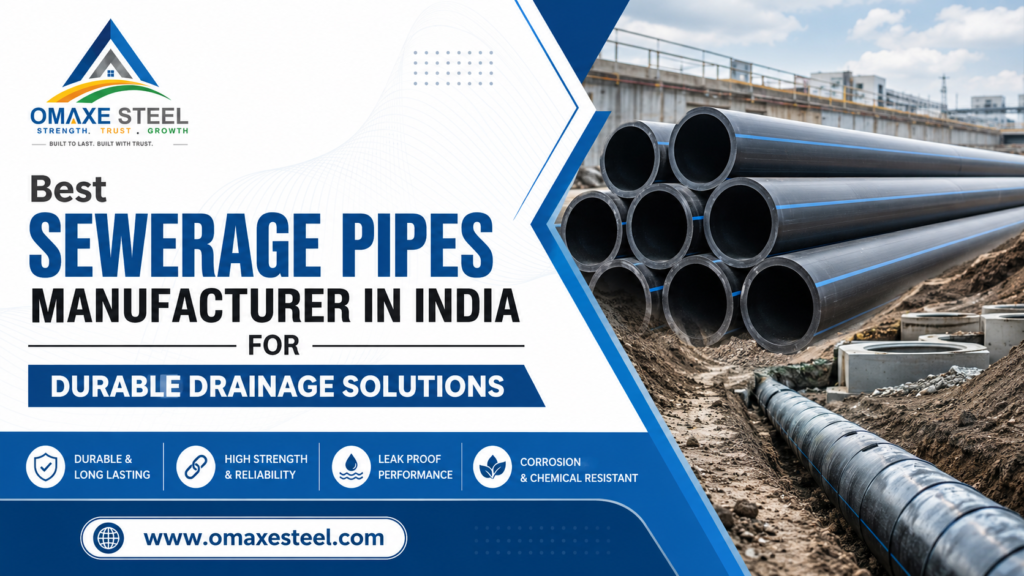
Best Sewerage Pipes Manufacturer in India for Durable Drainage Solutions

Every drainage system is only as good as the pipe running beneath it. Whether it is a housing society, a factory, a hospital, or a stretch of municipal road, the sewerage pipe carrying wastewater away from that site has to work quietly and reliably for decades. Choose the wrong one, and you are looking at leaks, blockages, foul odours, and repeated digging-up of freshly laid roads. Choose right, and the drainage network practically takes care of itself. This is why builders, contractors, and infrastructure companies across India spend real time evaluating a sewerage pipes manufacturer before placing an order. It is not just about buying a pipe — it is about buying years of trouble-free wastewater management, structural durability underground, and lower maintenance costs over the life of the project. In this article, we will walk through what sewerage pipes actually do, why quality matters so much, how to choose the right one, and how Omaxe Steel Equipments fits into this picture for buyers looking for a dependable supply partner. What Are Sewerage Pipes? Sewerage pipes are the underground pipelines designed to carry sewage, wastewater, and in many cases stormwater away from buildings and townships to treatment plants or municipal disposal points. They form the backbone of any sanitation and drainage network — invisible once installed, but critical to how a site functions every single day. Their basic job sounds simple: move wastewater from point A to point B without leaking, without collapsing under soil load, and without letting solids settle and choke the line. In practice, this requires the pipe to handle constant exposure to moisture, chemicals in wastewater, ground pressure, and — depending on depth and location — vehicle or building loads from above. A well-designed sewerage pipe keeps sanitation systems working safely, protects groundwater from contamination, and reduces the health risks that come with poor wastewater disposal. In modern Indian infrastructure, from smart city projects to housing developments, reliable sewerage piping is treated as a core utility, not an afterthought. Why Quality Sewerage Pipes Matter Not all pipes marketed for drainage perform the same way once buried underground. The difference between an average pipe and a genuinely good one becomes obvious a few years into use — usually at the worst possible time. Here is what separates a dependable sewerage pipe from a problematic one: Contractors who cut corners on pipe quality to save on upfront cost often end up paying far more later in repairs, re-excavation, and project delays. Applications of Sewerage Pipes Sewerage pipes are used well beyond the obvious municipal drainage line. Typical applications include: Each of these settings puts slightly different demands on the pipe — a hospital’s drainage line has different hygiene and reliability expectations than a highway’s stormwater channel, even though both fall under the broad category of sewerage piping. How to Choose the Right Sewerage Pipe Selecting a sewerage pipe is a technical decision, not a generic purchase. Buyers and site engineers typically evaluate the following before finalising an order: Important Features to Look for in Sewerage Pipes When comparing options from different suppliers, these are the features worth checking closely: Sewerage Pipes for Different Projects Sewerage pipe requirements are not one-size-fits-all. A residential housing project usually needs standard-diameter pipes designed for domestic wastewater volumes and relatively shallow installation. Commercial buildings, with higher daily usage and denser occupancy, often require higher-capacity lines and stronger load resistance near parking and access areas. Industrial facilities bring another layer of complexity — process wastewater may carry chemicals, oils, or higher temperatures, which calls for pipes with stronger chemical resistance. Large infrastructure projects, such as township developments, highways, or municipal upgrades, typically need bulk quantities supplied in phases, along with pipes engineered to handle heavier loads and larger diameters across long stretches. Understanding these differences upfront helps avoid under-specifying a pipe for conditions it was never designed to handle. Why Choosing a Reliable Sewerage Pipes Manufacturer Matters The pipe itself is only half the equation — who you buy it from matters just as much. A dependable Sewerage Pipes Manufacturer brings: For contractors managing multiple sites, this reliability is often the difference between a smooth project and one full of avoidable delays. Why Choose Omaxe Steel Equipments for Sewerage Pipes? Omaxe Steel Equipments is a Ghaziabad-based industrial and steel solutions provider, established in 2013, serving construction, infrastructure, and industrial clients across India. The company positions itself as a manufacturer, supplier, trader, and service provider, working across product lines that include industrial pipes, earthing material, scaffolding systems, and DWC HDPE pipes — a category directly relevant to drainage and sewerage applications. Within this range, Omaxe Steel’s DWC (Double Wall Corrugated) HDPE pipes are built for underground use in drainage systems, sewer lines, and wastewater networks, alongside applications like cable protection and telecom ducting. These pipes combine a corrugated outer wall for load-bearing strength with a smooth inner wall for efficient, low-friction flow — a structural feature that suits the demands of underground sewerage installation. Omaxe Steel also supplies cast iron manhole covers, which are a standard companion product in sewerage and drainage networks. The company’s approach centres on consistent product quality, a focus on modern manufacturing and supply systems, and a customer-first service model built around understanding project requirements before recommending a solution. With a stated logistics network aimed at timely, pan-India delivery, Omaxe Steel works with contractors, industries, and infrastructure companies who need dependable supply for ongoing projects rather than a one-time transaction. If you’re evaluating options, their DWC HDPE Pipes range and broader product catalogue are worth a look before finalising your specifications. How Omaxe Steel Supports Construction and Infrastructure Projects For contractors, builders, developers, and infrastructure companies, a construction schedule only holds together if material supply keeps pace with it. Omaxe Steel’s role in a drainage or sewerage project is less about a single sale and more about ongoing support — helping buyers work through pipe specifications suited to their site conditions, coordinating supply volumes for phased projects, and maintaining a

Best Sewerage Pipes Manufacturer in India for Durable Drainage Solutions Read More »

Scaffolding and Shuttering Material on Hire

Scaffolding and Shuttering Material on Hire — Everything You Need to Know Before You Rent

Introduction Every contractor eventually asks the same question at the start of a new site: buy the scaffolding and shuttering material, or hire it? For a short-duration project, or one where requirements change with each floor slab, Scaffolding and Shuttering Material on Hire is usually the more practical route. It frees up working capital, avoids storage and maintenance headaches between projects, and lets a site scale its support structure up or down as the work demands. At the same time, hired material is only useful if it is structurally sound. A rusted coupler or an undersized shuttering plate does not become safer just because it was rented rather than bought. This article is written for project engineers, procurement teams, and site supervisors who need a practical, no-nonsense understanding of scaffolding and shuttering rental — from material types and specifications to the checks that should happen before the truck is unloaded on site. What Scaffolding and Shuttering Material Actually Covers “Scaffolding and shuttering material” is a broad term that usually includes two related but distinct categories of construction support equipment: Scaffolding material — the temporary structural framework that gives workers safe access at height and supports work platforms. This typically includes: Shuttering material (also called formwork) — the temporary mould into which fresh concrete is poured and held until it gains sufficient strength to be self-supporting. This includes: Both categories are typically fabricated from mild steel because of its strength-to-cost ratio and its ability to be reused across multiple projects when properly maintained — which is exactly why the hire model works well for these products in the first place. How Rental Scaffolding and Shuttering Material Is Supplied and Reused Unlike a one-time purchase, hired scaffolding and shuttering stock moves between multiple sites over its service life. A typical cycle looks like this: This cycle is precisely why the quality of the hire company’s inspection and maintenance process matters more than the rental rate alone. A supplier that skips step 2 or step 3 is effectively passing on structural risk to your site. Important Specifications and Characteristics to Check Before finalising a scaffolding or shuttering hire order, procurement teams should confirm the following: Parameter Why It Matters Pipe/tube outer diameter and wall thickness Determines load-bearing capacity of the scaffold structure Material grade (MS) Affects strength and weldability of couplers and fittings Plate thickness (for shuttering plates) Governs resistance to concrete pressure and deflection Surface condition Bent, dented, or heavily corroded members reduce safe working load Coupler and clamp type Fixed couplers for load-bearing joints, swivel couplers for diagonal bracing Base plate condition Distributes load to the ground/foundation; cracked or warped plates should be rejected Quantity verification Mismatched counts at delivery cause delays mid-erection A useful habit on-site is to physically test-fit a sample batch — clamp tightness, pipe straightness, and jack extension — before accepting a full consignment, rather than relying only on a supplier’s paperwork. Major Applications on Site Scaffolding and shuttering material on hire is used across a wide range of construction and infrastructure activities, including: Contractors working across Delhi NCR, Ghaziabad, Noida, Gurgaon, and Faridabad often deal with multiple simultaneous sites at different stages, which is one of the main reasons the hire model — rather than owning a fixed inventory — tends to suit fast-moving contracting businesses in this region. Key Benefits of Hiring Over Buying How to Select the Correct Type and Specification Selection should start from the structural requirement, not the catalogue. A few practical pointers: Quality Checks Before Accepting Rental Material Before signing off on a delivery, site teams should check for: Rejecting compromised material at the point of delivery is far cheaper than dealing with a scaffold failure or shuttering collapse mid-project. Relevant Standards and Established Practice In India, structural steel tubes used for scaffolding purposes are generally referenced against IS 1161 (steel tubes for structural purposes) and IS 4014 (Parts 1 and 2, covering steel tubular scaffolding — fittings and design/safe use). General safety practice for scaffold erection and use is addressed under IS 3696 (Safety Code for Scaffolds and Ladders). For concrete formwork and the minimum period before shuttering can be safely removed, IS 456 (Code of Practice for Plain and Reinforced Concrete) is the standard industry reference. These are cited here as general engineering guidance that project teams should be aware of when planning scaffolding and shuttering work — buyers should independently verify current specification requirements for their specific project with their structural consultant, since applicability can vary by structure type and load conditions. Hiring vs. Buying: A Quick Comparison Factor Hiring Buying Upfront cost Low High Best suited for Short/medium duration projects, variable requirements Long-term, continuous, high-volume use Maintenance responsibility Largely with supplier Fully with owner Storage needs None Required between projects Flexibility for changing specs High Low (fixed inventory) Long-term cost (multi-year continuous use) Can exceed purchase cost More economical over time For contractors handling several short-to-medium projects a year, hiring generally works out more cost-effective. For companies running continuous, large-scale operations over many years, owning a dedicated stock may eventually make more financial sense. Common Mistakes Buyers Should Avoid Maintenance, Storage, and Handling Considerations During the Hire Period Even rented material needs to be handled correctly while it is on your site: Why Sourcing From a Reliable Supplier Matters The single biggest variable in scaffolding and shuttering hire isn’t the rental rate — it’s the condition of what arrives on your truck. A supplier with a consistent inspection and maintenance process, accurate stock records, and the ability to supply matched specifications across your full order reduces the number of on-site surprises considerably. This becomes even more important on multi-phase projects where additional stock needs to be added mid-way without mismatched sizing. How Omaxe Steel Equipments Can Support Your Requirement Omaxe Steel Equipments manufactures and supplies a range of scaffolding materials and shuttering plates, including MS scaffolding pipes, clamps, base plates, and scaffolding prop jacks, serving contractors and infrastructure companies across Delhi NCR, Ghaziabad, Noida, Gurgaon, and

Scaffolding and Shuttering Material on Hire — Everything You Need to Know Before You Rent Read More »

Octagonal Pole Manufacturer in Ghaziabad

Octagonal Pole Manufacturer in Ghaziabad – Get Best Price

When a city, a housing society, a highway authority, or an industrial park needs reliable outdoor lighting infrastructure, the pole holding that light matters just as much as the light itself. A poorly made pole bends in a storm, rusts within two monsoons, and turns into a safety hazard. This is exactly why, over the last decade, project engineers and government contractors across Uttar Pradesh and Delhi-NCR have shifted toward one dependable name for structural lighting poles Omaxe Steel Equipments, a trusted Octagonal Pole Manufacturer in Ghaziabad. This guide walks you through everything worth knowing before you place an order what an octagonal pole actually is, how it is manufactured, which quality standards genuinely matter, what affects the price, and how to pick a manufacturer you won’t regret choosing a year down the line. What Is an Octagonal Pole? An octagonal pole is a tapered, eight-sided steel structure used to mount street lights, flood lights, high-mast lighting systems, CCTV cameras, and flag masts. Unlike a simple round pipe, the octagonal (eight-faceted) cross-section is engineered for a reason: it distributes wind load more evenly across its surface and offers noticeably higher structural rigidity per kilogram of steel used. In simple terms: it is a pole with eight flat sides instead of one curved surface, manufactured by bending high-tensile steel sheet and welding it along a single longitudinal seam, followed by hot-dip galvanization for corrosion resistance. Key Characteristics of an Octagonal Pole Octagonal Pole vs Round Pole – Which One Should You Choose? Many buyers assume a round pole and an octagonal pole are interchangeable. They are not. Here is an honest, side-by-side comparison to help you decide. Parameter Octagonal Pole Round (Tubular) Pole Wind load resistance Higher flat faces distribute stress evenly Moderate curved surface concentrates stress unevenly Structural strength per kg of steel Higher strength-to-weight ratio Comparatively lower Visual appeal Sleek, modern, tapered aesthetic Simple, utilitarian look Common use cases Highways, smart city projects, high-mast lighting, stadiums Residential streets, parks, low-height lighting Manufacturing precision required Higher (CNC bending & precision welding) Lower Maintenance cost over 15+ years Lower, due to superior weld & coating quality Slightly higher If your project involves highway lighting, government tenders, industrial zones, or any location exposed to strong wind loads, an octagonal pole is almost always the technically sound choice. Omaxe Steel Equipments – A Trusted Octagonal Pole Manufacturer in Ghaziabad Headquartered in the Sahibabad industrial belt of Ghaziabad one of North India’s most established manufacturing hubs for steel infrastructure products Omaxe Steel Equipments has spent years building a reputation around one simple principle: a pole is a 15-25 year infrastructure investment, and it should never be treated as a commodity purchase. The firm manufactures and supplies a complete range of octagonal poles, GI octagonal poles, tubular steel poles, and high-mast lighting poles, in addition to allied structural steel products such as scaffolding systems, earthing materials, and MS pipes giving the company a strong, well-rounded engineering background that goes beyond just poles. What Sets Omaxe Steel Equipments Apart 1. Quality Assured Products Every octagonal pole leaving the Omaxe Steel Equipments facility is manufactured from certified mild steel and passes through dimensional checks, weld inspection, and galvanization verification before dispatch. Quality isn’t an afterthought here it’s built into every stage of production. 2. Advanced Manufacturing The manufacturing process relies on precision cutting, controlled bending, and single-seam longitudinal welding techniques that reduce weak points along the pole’s length. This is combined with hot-dip galvanization to ensure the finished product can withstand India’s varied climate  from humid NCR summers to coastal-grade corrosion exposure on select projects. 3. Dedicated Customer Support From your first enquiry to post-installation queries, the team stays involved. Technical questions about pole height, wind zone suitability, arm configuration, or foundation design are answered by people who actually understand pole engineering, not a generic sales script. 4. Timely Project Delivery Government tenders and private infrastructure projects run on strict timelines. Delayed pole delivery can stall an entire lighting rollout. Omaxe Steel Equipments structures its production schedule around committed delivery dates, which is one of the most repeated reasons clients return for follow-up orders. Manufacturing Process & Quality Standards Followed Understanding the manufacturing process helps you ask the right questions to any pole supplier and evaluate whether they’re cutting corners. Step-by-Step Manufacturing Overview Standards Commonly Referenced in Octagonal Pole Manufacturing Standard What It Governs IS 2062 Steel grade and mechanical properties of the base material IS 800 General structural steel design guidelines IS 875 Wind load calculations for different wind zones across India IS 2629 / IS 2633 / IS 4759 Hot-dip galvanization process and coating quality Always ask your manufacturer to confirm which of these standards apply to your specific order, along with test certificates where required especially for government and institutional projects. Range of Octagonal Poles Available Every project has different requirements: a residential colony road doesn’t need the same pole as a six-lane highway. Here’s a general overview of the range typically offered. Pole Height Typical Thickness Arm Configuration Best Suited For 3-5 metres 2.5-3 mm Single arm Parks, colonies, footpaths, garden lighting 6-8 metres 3 mm Single/Double arm Residential & commercial roads 9-12 metres 3-4 mm Double arm Highways, wide arterial roads, industrial areas 15-30+ metres 4-6 mm High-mast fitting Stadiums, toll plazas, railway yards, ports, airports Custom heights, arm counts, base plate sizes, and powder-coating colours can be manufactured on request to match specific project drawings and tender specifications. Benefits of Choosing Octagonal Poles for Your Project Beyond the basic comparison with round poles, here’s a deeper look at why engineers and procurement teams increasingly specify octagonal poles in project drawings: Installation & Maintenance Guidance Buying a well-manufactured octagonal pole is only half the job: correct installation and basic upkeep determine whether it lasts 10 years or 25. Installation Best Practices Maintenance Tips for Long-Term Performance Areas Served by Omaxe Steel Equipments in and around Ghaziabad Being based in the Sahibabad industrial belt gives Omaxe Steel Equipments a strong logistical advantage

Octagonal Pole Manufacturer in Ghaziabad – Get Best Price Read More »

Scaffolding Prop Jack Manufacturer

Scaffolding Prop Jack Manufacturer – Leading Supplier 2026

Introduction Building Stronger Foundations, One Prop Jack at a Time Every strong building begins with a strong support system, and that is exactly where a scaffolding prop jack earns its place on a construction site. Whether it is a residential slab, a commercial high-rise, or an industrial shed, the humble prop jack silently carries the weight of wet concrete, formwork, and structural loads until the structure can stand on its own. As construction activity across India continues to expand in 2026, the demand for dependable formwork support equipment has grown alongside it. Contractors, builders, and infrastructure companies are no longer satisfied with “just any” prop jack; they want equipment that is engineered precisely, tested against recognized standards, and backed by a manufacturer who understands the real pressures of a live construction site. This is the space Omaxe Steel has built its reputation in. Operating from its manufacturing unit in Sahibabad, Ghaziabad (Uttar Pradesh), Omaxe Steel has positioned itself as a leading Scaffolding Prop Jack Manufacturer serving builders across Delhi NCR and the wider Indian construction market. In this article, we take a detailed, practical look at scaffolding prop jacks, what they are, how they work, the types available, the standards they must meet, and why Omaxe Steel continues to be the preferred choice for engineers and contractors in 2026. What Is a Scaffolding Prop Jack? A scaffolding prop jack, also known as an adjustable steel prop, telescopic prop, or shuttering prop jack, is a vertical support device used in construction to hold up formwork, slabs, beams, and columns while concrete cures. It typically consists of an outer steel tube and an inner sliding tube, connected through a threaded collar or locking pin mechanism that allows the height to be adjusted precisely on site. Unlike traditional wooden props, which require manual cutting, wedging, and nailing, steel prop jacks are reusable, quick to install, and far more consistent in the load they can bear. This makes them indispensable across almost every type of concrete construction project, from small residential builds to large-scale infrastructure works. Core Components of a Prop Jack Understanding these components helps buyers evaluate quality more effectively, a topic we will return to later in this article. Why the Right Manufacturer Matters More Than the Product Itself It is tempting to think of a prop jack as a simple commodity, but in practice, the manufacturer behind the product determines almost everything that matters: the grade of steel used, the accuracy of the threading, the strength of the weld joints, and the consistency of the base plate thickness. A prop jack that looks identical to another on the surface can behave very differently under a real construction load if manufacturing tolerances are not tightly controlled. This is why experienced contractors increasingly research the manufacturer’s credibility years in business, testing practices, raw material sourcing, and after-sales support rather than comparing products on appearance alone. Omaxe Steel has built its process around exactly these concerns, which we explore in the sections below. Omaxe Steel: A Trusted Name in Scaffolding Prop Jack Manufacturing Located at Plot No. 139, Gate No. 1, Metro Pillar 167, Prakash Industrial Estate, Sahibabad, Ghaziabad, Uttar Pradesh, Omaxe Steel operates as a dedicated manufacturing unit for scaffolding and formwork support equipment, serving customers across Ghaziabad, Delhi, Noida, Gurugram, and other fast-growing construction hubs in North India. The company’s approach centers on four operating principles that guide every batch of prop jacks leaving the facility: 1. Quality Assured Products Every prop jack manufactured at Omaxe Steel passes through a structured quality check before it reaches a customer. Raw steel is inspected for grade consistency, and finished props are checked for straightness, thread accuracy, and load-bearing stability. This attention to detail reduces on-site failures and extends the working life of the equipment. 2. Advanced Manufacturing Omaxe Steel utilizes modern cutting, threading, and welding equipment to maintain dimensional accuracy across every prop jack produced. This reduces variation between units — an important factor for contractors who need dozens or hundreds of identical props to work together on a single slab pour. 3. Dedicated Customer Support From the first enquiry to post-delivery service, Omaxe Steel maintains a responsive support system to help customers select the right prop type, size, and quantity for their specific project requirements. This hands-on guidance is particularly valuable for first-time buyers or smaller contractors unfamiliar with technical specifications. 4. Timely Project Delivery Construction schedules rarely allow for delays. Omaxe Steel structures its production and dispatch planning around meeting committed delivery timelines, helping site engineers avoid costly downtime caused by equipment shortages. Together, these principles reflect a manufacturing philosophy built around reliability first, an approach that has helped Omaxe Steel earn repeat business from contractors across the region. Types of Scaffolding Prop Jacks Offered by Omaxe Steel Not every construction project requires the same kind of support. Height requirements, load conditions, and formwork design all influence which type of prop jack is appropriate. Omaxe Steel manufactures a wide range of prop jack variants to match these differing site conditions. Type of Prop Jack Description Common Application Adjustable Steel Prop (Standard) Telescopic prop with outer and inner tube, adjustable via a threaded collar General slab and beam support in residential and commercial buildings U-Head Prop Jack Fitted with a U-shaped top plate to hold timber or steel beams securely Beam and girder formwork support Base Plate Prop Jack Features a flat base plate for stable footing on hard or semi-hard surfaces Ground-level and lower-floor slab casting Heavy-Duty Prop Jack Thicker wall tubing designed for higher load-bearing requirements High-rise buildings, bridges, and industrial structures Light-Duty Prop Jack Lighter tube construction for lower load applications Residential and small-span slabs T-Type and L-Type Props Specialized head configurations for specific formwork geometries Column and wall shuttering systems This range allows Omaxe Steel to serve everyone from individual home builders to large infrastructure contractors from a single, dependable supply source. Technical Specifications: What to Check Before You Buy When evaluating a scaffolding prop jack manufacturer, technical

Scaffolding Prop Jack Manufacturer – Leading Supplier 2026 Read More »

MS Square Pipe Manufacturer in Ghaziabad

MS Square Pipe Manufacturer in Ghaziabad – Best Prices 2026

Ghaziabad has been one of North India’s busiest steel trading and manufacturing hubs for decades, and MS square pipes remain one of the most in-demand products coming out of its industrial belt. Whether you’re a contractor building structural frameworks, a fabricator working on furniture and railings, or a project manager sourcing bulk steel for an infrastructure job, choosing the right MS square pipe manufacturer in Ghaziabad directly affects the strength, safety, and lifespan of whatever you’re building. This guide walks you through everything worth knowing before you place your next order grades, sizes, applications, quality checks, and how to pick a manufacturer you can actually rely on. Summary This article explains what MS square pipes are, how they’re manufactured, the IS 4923 standard that governs quality in India, standard size and weight charts, common applications across industries, and a practical checklist for choosing a dependable manufacturer in Ghaziabad. It also covers why Omaxe Steel Equipments has become a trusted name for contractors and businesses across Ghaziabad and the Delhi NCR region for MS square pipe supply in 2026. Table of Contents What Is an MS Square Pipe? An MS (Mild Steel) square pipe is a hollow structural steel section with a square cross-section, manufactured by rolling and welding mild steel strips or coils into a closed square shape. Unlike round pipes, the flat surfaces of a square pipe make it easier to join, weld, and fabricate into frames, making it one of the most widely used structural steel products in Indian construction and manufacturing. MS square pipes are valued for a specific combination of qualities: high strength-to-weight ratio, uniform load distribution across all four faces, ease of fabrication, and long-term durability when properly finished. These properties are exactly why square pipes have become the default choice for structural framing, gates, railings, furniture, and general engineering applications across India. How MS Square Pipes Are Manufactured Most MS square pipes produced in India including those from Ghaziabad’s manufacturing units follow the ERW (Electric Resistance Welding) process. Here’s a simplified breakdown of the manufacturing journey: This entire process determines how consistent and reliable the final pipe will be — which is why the reputation and manufacturing discipline of your chosen supplier matters far more than price alone. IS 4923 – The Indian Standard Behind Quality MS Pipes In India, structural MS square and rectangular hollow sections are governed by IS 4923, the Bureau of Indian Standards specification for hollow steel sections used in general structural purposes. This standard defines the permissible tolerances for dimensions, wall thickness, mechanical properties, and testing requirements that a genuine MS square pipe must meet. Buyers should always confirm that the pipes they’re purchasing are manufactured in compliance with IS 4923, since this is the benchmark that separates dependable structural steel from inconsistent, under-specified stock circulating in unorganised parts of the market. Standard/Code Applicable To Key Focus IS 4923 Hollow steel sections (square, rectangular) for structural use Dimensional tolerances, mechanical strength, testing IS 1161 Steel tubes for structural purposes General tubular steel specifications EN 10219 Cold-formed welded structural hollow sections International equivalent standard ASTM A500 Cold-formed welded/seamless carbon steel structural tubing Used for export-grade comparisons Standard MS Square Pipe Sizes & Weight Chart MS square pipes are manufactured across a wide range of sizes to suit everything from light fabrication work to heavy structural columns. Below is a general reference chart covering commonly used sizes in the Indian market. Size (mm x mm) Thickness Range Typical Use Case 15 x 15 to 25 x 25 0.8 mm – 2 mm Furniture frames, grills, light fabrication 25 x 25 to 40 x 40 1.6 mm – 3 mm Gates, railings, window frames 40 x 40 to 75 x 75 2 mm – 4 mm Structural framing, sheds, partition walls 75 x 75 to 150 x 150 3 mm – 8 mm Industrial structures, columns, heavy frameworks 150 x 150 to 300 x 300 6 mm – 12 mm Large structural columns, bridges, heavy engineering Note: Exact weight per metre depends on the wall thickness selected within each size range, since weight increases proportionally with thickness. Always confirm exact weight specifications with your manufacturer for the precise size and thickness combination you require. Grades of MS Square Pipe & Where They’re Used MS square pipes are typically supplied in different yield strength grades under IS 4923, each suited to specific load-bearing requirements. Grade Approx. Yield Strength Common Application YST 210 210 N/mm² Light-duty fabrication, general purpose framing YST 240 240 N/mm² Standard structural applications, gates, railings YST 310 310 N/mm² Heavy structural work, industrial frameworks, load-bearing columns Choosing the correct grade isn’t just a technical formality; it directly affects how the finished structure performs under load, especially for multi-storey frameworks, industrial sheds, or anything exposed to dynamic stress over time. Applications of MS Square Pipe Across Industries MS square pipes have earned their place as one of the most versatile structural steel products precisely because they work across such a wide range of industries. Industry Application Construction Structural framing, staircases, false ceiling support, partition frameworks Interior & Furniture Tables, chairs, cabinets, modular furniture frames Architecture & Fabrication Gates, grills, window frames, railings, canopies Industrial & Engineering Machine frames, conveyor structures, support frameworks Automotive Chassis components, trailer frames, support structures Agriculture Greenhouse structures, farm equipment frames, poly-house frameworks Infrastructure Bridge railings, signage structures, boundary fencing Why Ghaziabad Is a Major Hub for MS Square Pipe Manufacturing Ghaziabad’s steel manufacturing ecosystem, particularly clusters around Loha Mandi and Prakash Industrial Estate, has developed over decades into one of North India’s most concentrated steel pipe production and trading zones. Its strategic location near Delhi, strong rail and road connectivity, and dense network of raw material suppliers make it a natural base for manufacturers serving projects across Delhi NCR, Western Uttar Pradesh, and beyond. For buyers, this concentration of manufacturers means genuine advantages: shorter lead times, easier access to custom sizes, competitive sourcing from multiple mills, and manufacturers who understand the specific structural and fabrication

MS Square Pipe Manufacturer in Ghaziabad – Best Prices 2026 Read More »

Scaffolding on Hire in Delhi

Top Scaffolding on Hire in Delhi – All Types Available

About the Author & Editorial Standards This article is researched and written by the Omaxe Steel Technical Team, composed of civil engineers, scaffolding system specialists, and construction safety consultants with a combined industry experience of over 25 years across Delhi and the NCR region. Our team has directly worked on scaffolding and shuttering projects for residential towers, metro infrastructure, commercial complexes, and industrial shutdowns. All technical claims, safety standards, and product specifications in this article are reviewed against the National Building Code (NBC) of India 2026, Bureau of Indian Standards (BIS) guidelines, and IS 3696 (Part I & II) before publication. This article is updated regularly to reflect changes in safety regulation, material availability, and market conditions. Reviewed by: Senior Civil Engineer, Omaxe Steel | B.Tech (Civil), IIT Delhi | 18 years of field experience across Delhi NCR construction projects. Summary Delhi’s construction sector is booming in 2026, and reliable scaffolding is at the heart of every safe, efficient project. Whether you are raising a residential tower, renovating a commercial facade, or executing a large-scale infrastructure contract, finding the right scaffolding on hire in Delhi can make or break your project timeline and budget. This article covers every important aspect of scaffolding hire in Delhi from the types of systems available and the critical role of shuttering material, to safety standards, selection criteria, and why Omaxe Steel stands as the most trusted name in this space. Read on for a complete, expert guide built for builders, contractors, project managers, and site engineers working in the Capital region in 2026. What is Scaffolding and Why Does It Matter in Delhi? Scaffolding is a temporary load-bearing framework erected around a structure to provide workers with safe, stable access at height. It supports personnel, tools, and construction materials while critical building activities take place on walls, facades, ceilings, and elevated slabs. Without proper scaffolding, construction work at any significant height becomes dangerous, inefficient, and legally non-compliant. In Delhi specifically, the demand for scaffolding on hire has grown sharply. The National Capital Territory is home to hundreds of concurrent construction projects from smart city developments and metro extensions to private housing societies and commercial complexes. Buying scaffolding outright is rarely cost-effective for most contractors. Hiring it, on the other hand, delivers the right material at the right time without tying up capital unnecessarily. The Indian scaffolding industry is growing at a CAGR of 6 – 8% in 2026, driven by massive infrastructure programmes, smart city initiatives, and a sector-wide shift from traditional bamboo structures toward safer, more durable steel and aluminium modular systems. Delhi and the wider NCR region sit right at the centre of this transformation. Omaxe Steel – Your Trusted Partner for Scaffolding on Hire in Delhi When it comes to scaffolding on hire in Delhi, one name that contractors, builders, and project developers consistently trust is Omaxe Steel. Over more than a decade of active operations across the National Capital Region, Omaxe Steel has supplied scaffolding and shuttering material to residential housing societies, metro contractors, commercial developers, industrial plant operators, and government infrastructure agencies. That breadth of real-world deployment is not incidental; it reflects a deliberate commitment to quality, safety compliance, and reliable service that has been tested and proven across hundreds of projects in Delhi, Noida, Gurgaon, Faridabad, and Ghaziabad. What Makes Omaxe Steel Different Verified Track Record – Omaxe Steel has served projects across every major construction category in Delhi NCR: G+20 residential towers, commercial mall construction, NHAI highway projects, power plant shutdowns, and heritage restoration work. This cross-sector experience means the team understands the precise scaffolding demands of each project type — not just in theory, but from direct field exposure. BIS and NBC 2026 Compliant Inventory – Every scaffolding system and shuttering component in the Omaxe Steel depot is manufactured and maintained in accordance with Bureau of Indian Standards specifications and the National Building Code 2026 guidelines. Equipment is inspected, cleaned, and load-tested before dispatch. No rusted, bent, or substandard material leaves the yard. Technical Team with Field Depth – Omaxe Steel’s technical advisors are not salespeople. They are engineers and scaffolding specialists who can read a project layout, assess height and load requirements, and specify the right system with precision. This translates directly into less waste, fewer delays, and zero safety incidents on the client’s site. Transparent Hire Terms – There are no hidden costs in Omaxe Steel’s hire agreements. Hire period, delivery scope, return conditions, and extension terms are set out clearly in writing before material moves. Pan-NCR Delivery Network – Material is dispatched promptly to all zones of Delhi and across the wider NCR, with delivery timelines confirmed at the point of booking. Omaxe Steel provides: All Types of Scaffolding Available on Hire in Delhi One of the most important things to understand before hiring scaffolding is that different construction tasks call for different systems. Using the wrong type of scaffold can compromise worker safety, slow down work, and lead to costly rework. Below is a detailed breakdown of all the major scaffolding types available on hire in Delhi in 2026. 1. Cuplock Scaffolding Cuplock scaffolding is the most widely used modular system in India and across the world and for good reason. It uses a distinctive cup-and-blade locking mechanism, where ledgers slot into cups on vertical standards and are locked with a single hammer strike. This makes assembly extremely fast, requires fewer loose fittings, and delivers exceptional load-bearing capacity. Cuplock scaffolding is ideal for: Its modular nature means it adapts well to curved and irregular structures, which makes it a favourite on complex builds. Omaxe Steel maintains a large, well-maintained cuplock inventory available for hire across Delhi. 2. H-Frame (Frame and Brace) Scaffolding H-frame scaffolding gets its name from its H-shaped panels that stack vertically and connect using cross-braces and locking pins. This is a fast-erect system that requires minimal training to assemble correctly. It is commonly used for low-to-medium height residential and light commercial projects. Key advantages of H-frame scaffolding: 3.

Top Scaffolding on Hire in Delhi – All Types Available Read More »

Scroll to Top